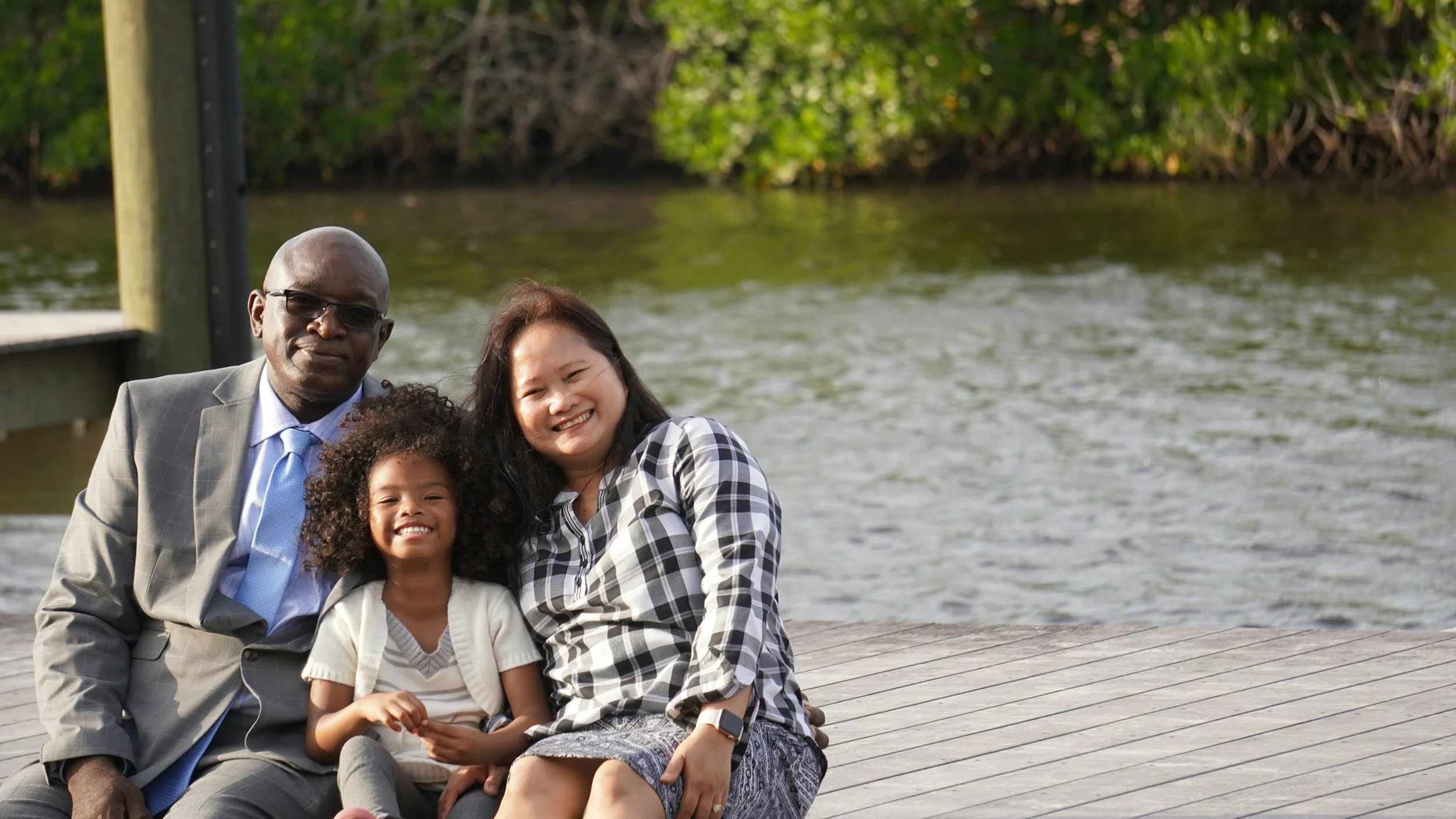
Understanding the dynamics, challenges, and strengths of beautifully blended families
February 21, 2025
What Is a Blended Family?
According to recent census data, more than 1,300 new stepfamilies—often called blended families—form every single day in the United States. Blended families come in many shapes and sizes, and no two situations look the same. They are often layered, complex, and filled with both challenges and opportunities for growth.
Below are some of the most common types of blended families, along with the unique dynamics each one may face.
Types of Blended Families and Their Unique Dynamics
1. Divorced Families with Shared Parenting
In families where children live primarily with one parent and visit the other, the quality of the parents’ relationship significantly shapes the children’s emotional world. Children learn about love, conflict, and communication by watching how their parents interact, even after separation.
2. Remarried or Recoupled Parents
Children in these families are adjusting to multiple transitions:
the end of their parents’ previous relationship
the introduction of a new partner
the parenting style and personality of a stepparent
the stepparent’s own generational patterns and trauma
Parents also face major adjustments. They must balance:
their role as a partner
their role as a parent
co‑parenting with an ex‑partner
navigating different parenting styles
the emotional needs of children at different ages
This is a lot for any family system to hold, and counseling provides a safe space to sort through it.
3. Single Parents Who Are Dating or Parenting Alone
Single parents carry a tremendous load emotionally, financially, and practically. While raising children, they are also trying to maintain a personal life, often putting their own needs last.
Children in these homes may:
witness their parent’s loneliness
feel protective of their parent
struggle with new partners entering the picture
worry about whether a new adult is safe or trustworthy
Meanwhile, the parent is trying to balance love, responsibility, and the desire to create a stable home. Counseling helps both parent and child navigate these transitions with clarity and compassion.
4. Minority Group Couples with Children from Prior Relationships
Blended families within minority groups such as interracial couples or LGBTQIA+ families, face all the typical challenges of blended families plus additional societal pressures.
These families often navigate:
cultural differences
community scrutiny
identity development for the children
external judgment or misunderstanding
The emotional load can be heavy, and counseling provides a supportive environment to process these layers.
5. Foster or Adoptive Families
Imagine being a child of color adopted into a predominantly white family. You’re adjusting to a new home, new expectations, and a new culture while also grieving the loss of your biological family.
Parents in these families are also adjusting:
learning to honor the child’s cultural identity
navigating public stares or assumptions
integrating the child into the family system
This is just one example of the many variations of foster and adoptive blended families.
6. Kinship Families
Kinship families form when relatives, or even close family friends, step into the parental role. Even though there is a biological connection, the family system still shifts dramatically.
I often use the “banana cluster” metaphor:
A banana is part of a cluster, but once you remove it and blend it with other fruits, the dynamic changes. It’s still a banana, still valuable, still whole but it’s now part of something new.
Kinship families operate the same way. The child’s origin matters, but the new family structure also becomes meaningful and real.
7. Families Impacted by Addiction or Abuse
Addiction and abuse create ripple effects that impact every member of the family. Without proper support, these issues continue to spill into the next generation. Counseling helps families break these cycles and create healthier patterns.
8. Families Navigating Grief After the Loss of a Parent
Grief is lifelong. When a parent dies, the surviving parent may eventually feel ready to date again but the child may not be ready to see that.
Grieving families face:
emotional shifts
loyalty conflicts
fear of losing another parent
difficulty accepting new relationships
Counseling helps families honor the past while building a hopeful future.
The Common Thread: Blended Families Are Rarely Planned
Most blended families form out of unexpected circumstances divorce, loss, trauma, or life transitions. No mentally healthy parent plans for their child to grow up in a fractured home. And children certainly don’t choose these situations unless safety is at risk.
Yet blended families are incredibly common in American culture and still deeply under‑supported.
This article outlines what you can expect from me as your therapist as we work together to strengthen your beautifully blended family.
“We must consider how to encourage one another toward love and good deeds… encouraging each other all the more as we see the day approaching.” — Hebrews 10:24
What to Expect From Me in Couples Counseling for Blended Families
As I’ve shared in previous articles, every family needs a strong foundation. Without it, the structure becomes unstable. One of the first questions I explore with couples is:
What is the hierarchy of your family?
For traditional Christian families, the hierarchy often looks like:
Christ
Husband
Wife
Children
But every family is different. There is no “one right way” as long as the structure is healthy and agreed upon.
I often remind couples of something my own parents taught me:
Your children will grow up, leave home, and build families of their own. If you place them above your marriage, be careful not to expect them to do the same for you later. They owe you love and respect but not lifelong emotional prioritization.
At the same time, it’s equally important not to become so focused on your partner that your children feel neglected.
Balance is essential.
In counseling, we explore:
your childhood experiences
your partner’s upbringing
your worldviews
your expectations
your fears and hopes
This helps us understand why you want your family structured a certain way and whether that structure is healthy.
Once the adults establish clarity and unity, we begin integrating the children into the therapeutic process (if appropriate for your family’s needs).
Every family receives a customized treatment plan with goals designed to strengthen connection, communication, and emotional safety.
Bringing the Team Together
Blended families are not broken they are beautifully complex. With the right support, they can thrive, heal, and grow stronger than ever.
If you’re ready to build a healthier, more connected family system, I would love to walk alongside you.
Let’s bring your team together.